Rural homes & estates
Explore oil boiler replacement for country homes, cottages, farmhouses and properties off the mains gas network. Plan heating zones, old-system removal and potential supply upgrades.
RURAL HOMES • SCHOOLS • COMMERCIAL BUILDINGS
A considered route from ageing oil-fired boilers and wet central heating to modern electric radiators — including decommissioning, electrical design and room-by-room heating advice.
For buildings beyond the gas network, an ageing oil boiler can bring the inconvenience of fuel deliveries, tank upkeep, planned servicing and unexpected repairs. GermanRadGuy can discuss a radiator-based electric alternative, alongside the building works and electrical capacity that a conversion may involve.
Explore oil boiler replacement for country homes, cottages, farmhouses and properties off the mains gas network. Plan heating zones, old-system removal and potential supply upgrades.
Review ageing oil-fired plant, recurring servicing and breakdown exposure, room-by-room occupancy patterns and a possible phased approach for classrooms and offices. Decisions need a full whole-life cost comparison.
Assess options for village halls, workshops, offices, rural businesses and multi-room buildings where electric heating might offer simpler zoning or reduce reliance on a central fossil-fuel plant.
Switching away from an oil-fired wet system involves more than replacing the room radiators. The route depends on how the property is used, the condition of the existing equipment and whether the electrical supply can support the proposed heating loads.
Review the existing boiler, fuel use, insulation, heating zones, hot water and hours of occupation.
Plan safe isolation, draining and decommissioning of the oil boiler, old radiators and pipework, where appropriate.
Assess oil recovery, fuel lines, tank removal and licensed waste arrangements with suitable specialists.
Plan new, dedicated heating circuits separately from existing socket rings, with suitable protection, consumer-unit capacity and any required supply upgrade.
Specify correctly sized electric radiators, zones, controls, testing and commissioning.
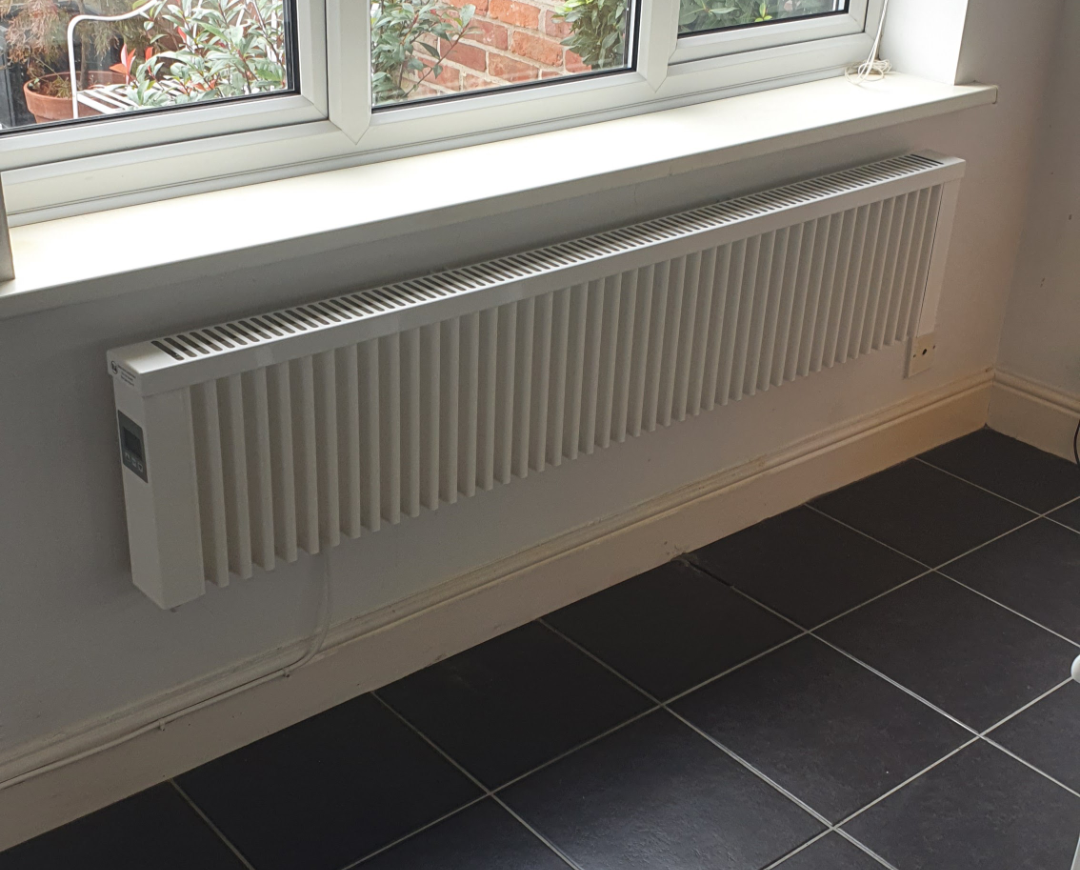
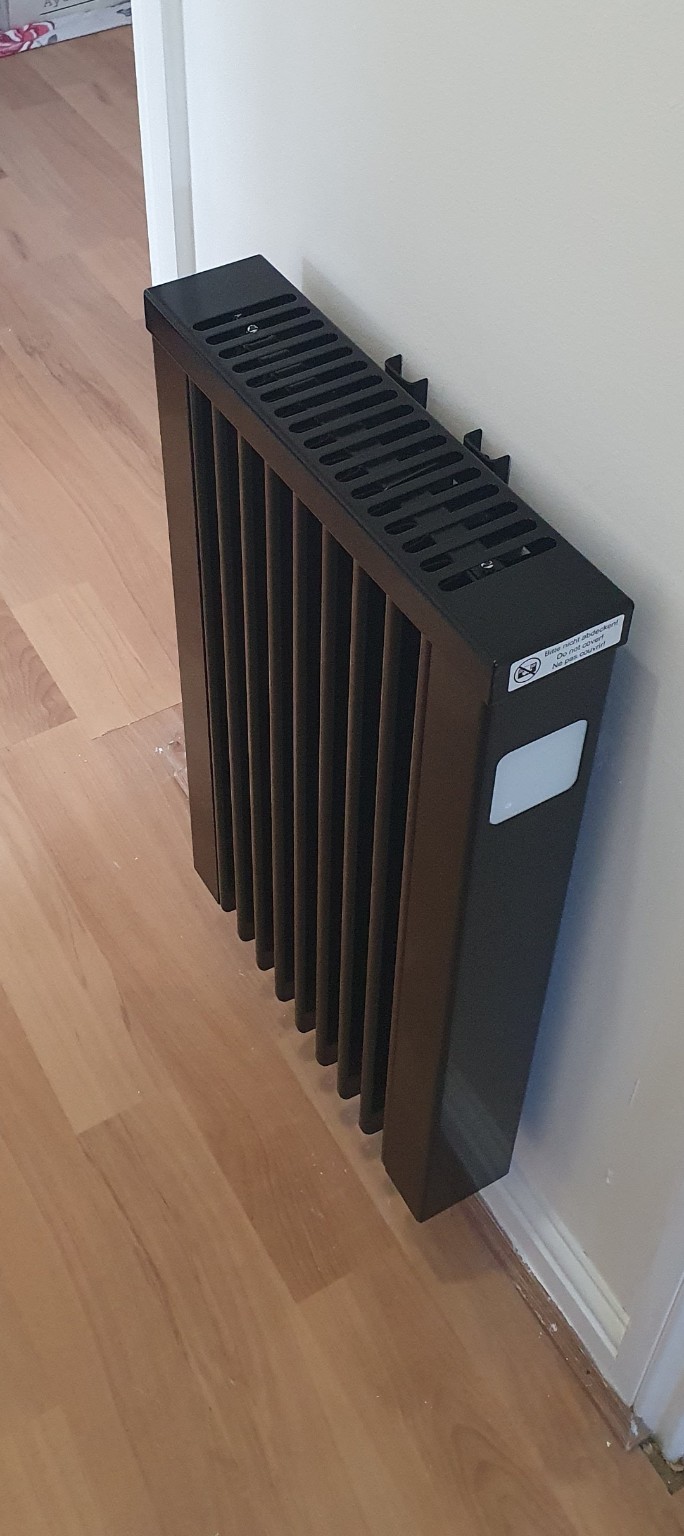
Compact, tall or low profile. Explore seven radiator options for different rooms and wall spaces. Standard factory finish: RAL 9010 (Pure White). Other RAL colours available on request, subject to model availability and quotation. Product images are a visual guide; please confirm the exact model and appearance before ordering.
No models match your search. Try a different wattage or category.
German-style clay-core radiators combine responsive electric heating with simple controls and clean, wall-mounted design.
Warm the room with a combination of heat transfer methods.
Set comfortable temperatures and heating schedules.
The ceramic core retains some warmth after the heater switches off.
Choose compact, space-saving tall or low wall-mounted options.
Ask about compatible app-controlled radiators.
No annual boiler servicing required for standalone electric radiators.
Plan a single room or an entire house. Add as many rooms as you need, enter their dimensions, then send everything with your enquiry.
Guide only — room volume is not a heat-loss calculation. Insulation, glazing, exposure and available electrical supply must be reviewed before sizing.
Start with a free virtual survey. For properties needing a more detailed assessment, an experienced heating engineer can visit your home or premises and prepare a tailored heating plan.
Discuss your existing heating, room sizes and plans by video call, phone call or photos. We can give initial guidance and discuss a quotation without a property visit.
No charge. No obligation.
An experienced heating engineer visits the property, examines the existing heating system and develops a practical room-by-room plan for your new electric heating.
Get your survey fee back. Place an order within six months of the survey and the full survey fee will be credited against your order.
A thorough assessment tailored to your property and heating requirements.
Submitting a request does not confirm or charge for a site visit. We will confirm the applicable survey fee and appointment first. Any electrical design or certification must be carried out by a qualified electrician.
Practical answers before changing an oil-fired heating system.
It may be practical in some buildings, but suitability depends on heat loss, electricity supply, room use, running costs and hot water. We would start with an assessment and compare options before recommending a full conversion.
Not always. The existing wet system must be made safe, and any removal or retention depends on access, condition and the agreed scope. Boiler, radiator, pipework and oil-tank work should be assessed separately.
Our preferred approach is new, dedicated heating circuits, kept separate from existing household socket rings wherever practicable. We do not normally propose plugging the new heating system into existing sockets. A qualified electrician will specify suitable ring or radial circuits, connection points, circuit protection and any consumer-unit or supply upgrades required.
Possibly on specific maintenance and repair items, but total annual savings cannot be assumed. A school should compare whole-life cost, electricity consumption, maintenance, capital work, heating times and heat-pump alternatives before deciding.
A competent oil-heating specialist can assess safe decommissioning, fuel recovery, pollution precautions and removal. Old tanks and contaminated waste must be handled and disposed of correctly.
The hot-water system must be assessed separately. If the oil boiler currently heats water for taps or washrooms, a suitable replacement solution needs to be included in the design.
A virtual survey is a useful first discussion. Larger homes, schools and commercial buildings normally also need a site-specific heat-loss assessment, electrical design and a professional site visit before a binding installation quotation.
Begin with a no-obligation virtual discussion of your building, existing heating and potential conversion options.
Or email us directly: info@germanradguy.co.uk